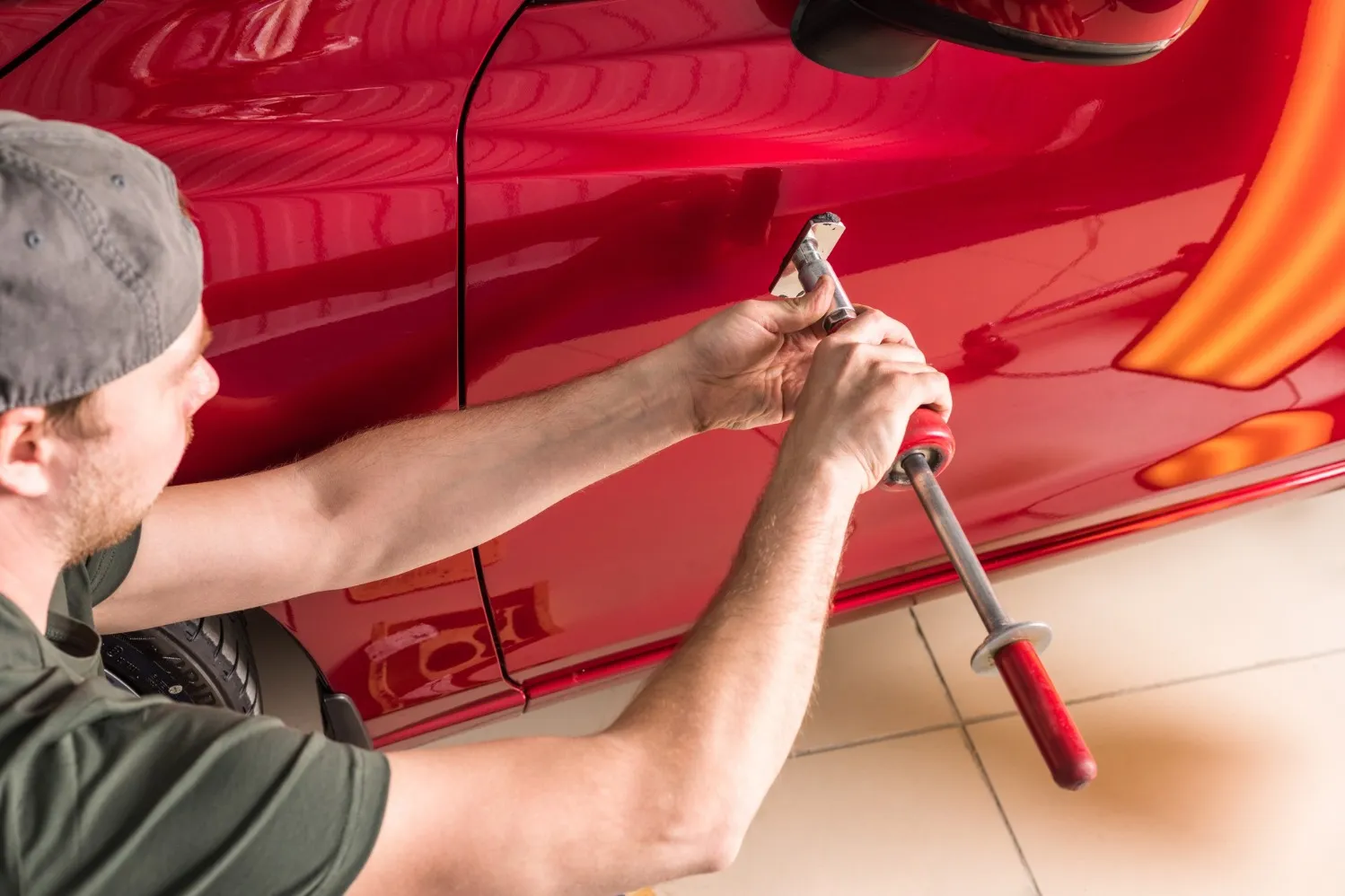
Scratches, dents, scraped bumpers, and damaged panels affect more than the visual appearance of a vehicle. Exposed metal can become vulnerable to corrosion, while poorly repaired panels can leave uneven gaps, visible sanding marks, or mismatched paint. Professional Car denting painting services focus on restoring damaged body areas through controlled repair and refinishing procedures.
For motorists in Sus, Pune, body damage can result from tight parking spaces, minor collisions, road debris, or everyday urban driving.
How Denting Work Is Assessed
The first step is determining the extent of damage.
A shallow dent with intact paint may require a different technique from a sharply creased panel with cracked paint. Severe damage may make panel replacement more appropriate than extensive reshaping.
Technicians generally examine:
- Dent depth
- Crease location
- Paint damage
- Panel accessibility
- Corrosion
- Previous repair work
- Panel alignment
- Nearby lamps and trim
What Happens During Painting
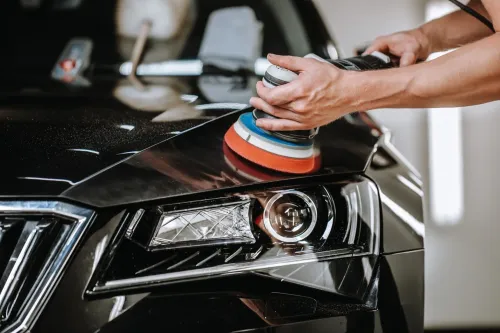
Where refinishing is required, the process can involve surface preparation, dent correction, filler application where appropriate, sanding, primer, colour matching, paint application, clear coat, curing, and finishing.
Preparation is particularly important. Even high-quality paint may look poor if the underlying surface is uneven or contaminated.
Colour matching also requires care because existing paint may have changed slightly due to age and environmental exposure.
How Long Does the Work Take
Repair time varies substantially.
A small damaged area may require less time than several panels affected by a collision. Drying and curing requirements, parts availability, dismantling, reassembly, and insurance approval can extend the timeline.
Customers should therefore seek an estimate based on actual damage rather than expecting one standard turnaround time for every dent.
Before Leaving the Car
Remove valuables from the vehicle and discuss all visible damaged areas with the workshop.
If the repair is related to an insurance claim, confirm whether inspection or approval is required before work begins.
Owners should also disclose previous repainting or body repairs when known, since this can affect preparation and refinishing decisions.
Post-Paint Care
Freshly refinished surfaces should be treated carefully. Follow workshop guidance regarding washing, polishing, waxing, and protective products because curing requirements can vary according to the paint system used.
Avoid abrasive cleaning. Bird droppings, tree sap, and other contaminants should be removed carefully rather than aggressively rubbing the new finish.
Inspect the repaired area under suitable lighting to check colour consistency, finish, panel fit, and visible surface defects.
Benefits of Professional Body Repair
Proper denting and painting can restore appearance, protect exposed surfaces, improve panel presentation, and support resale appeal.
Repairing paint damage may also help reduce the risk of corrosion where bare metal has been exposed.
What Can Go Wrong With Poor Repairs
Inadequate preparation may cause visible sanding marks, paint peeling, uneven surfaces, colour mismatch, or premature finish deterioration.
Poor masking can leave overspray on adjacent areas. Incorrect panel repair can also produce inconsistent gaps.
Frequently Asked Questions
Can every dent be repaired without painting?
No. Paintless techniques are suitable only for certain types of damage.
Why can colour matching be difficult?
Vehicle paint can change with age, exposure, previous repairs, and manufacturing variation.
Can I wash the vehicle immediately after painting?
Follow the workshop's specific aftercare guidance because paint systems and curing conditions vary.
For customers around Sus, Auto Solutions can assess whether a damaged panel needs dent correction, refinishing, replacement, or another appropriate repair approach.
Keywords