Regular washing is one of the simplest ways to maintain a vehicle's appearance, yet incorrect washing methods can leave swirl marks, water spots, missed dirt, and residue around trims. Professional Car Washing services should focus on safe dirt removal rather than simply making the body look clean for a few hours.
For motorists in Wakad, Pune, vehicles regularly encounter road dust, construction residue, monsoon grime, traffic pollution, and splashes from wet roads. Appropriate cleaning helps prevent this contamination from accumulating.
A Good Wash Begins With the Right Process
Dry wiping a dusty car can drag particles across the paint and create fine marks.
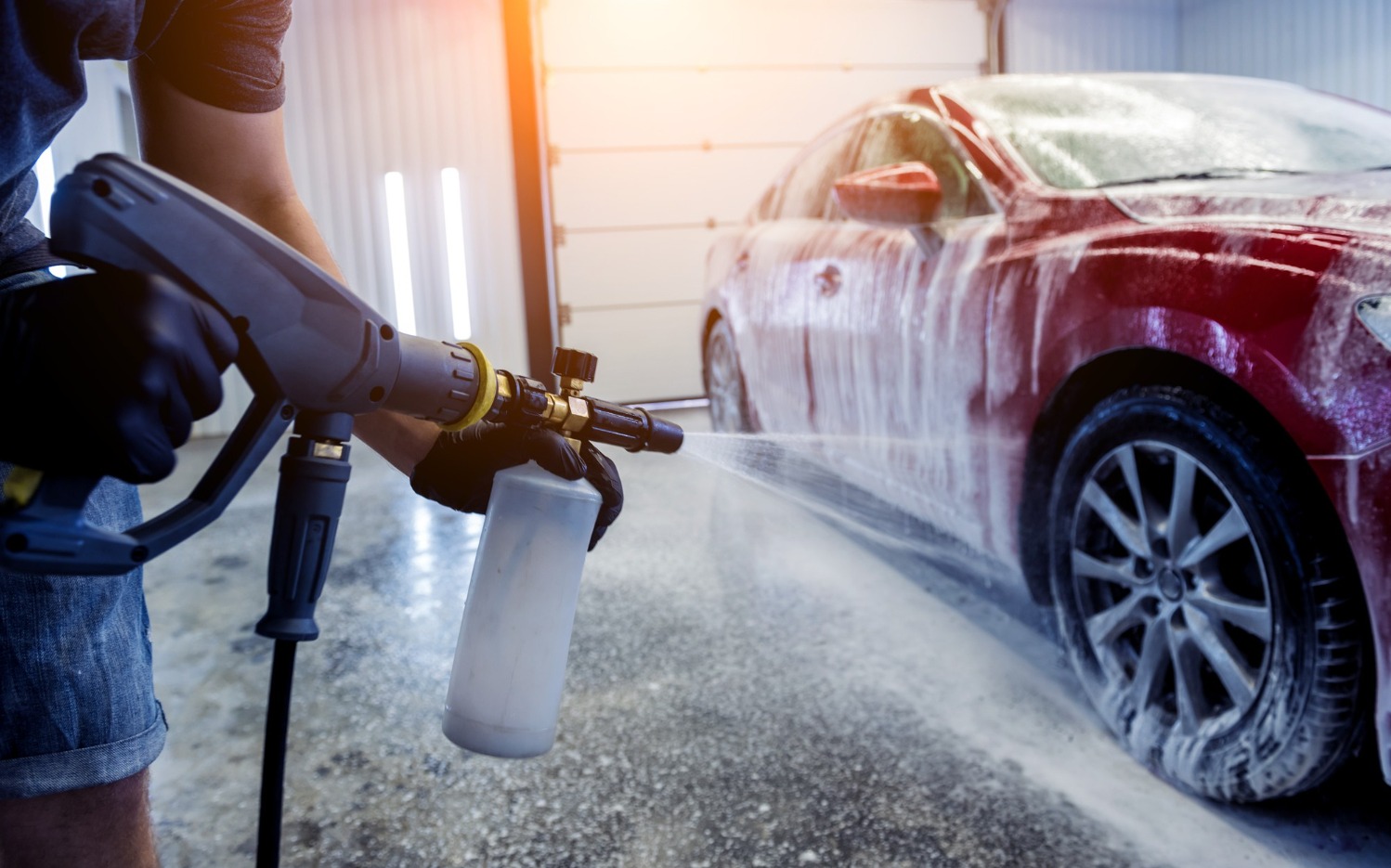
A more careful process generally begins by loosening and rinsing surface contamination before physical contact. Suitable automotive cleaning products can then be used according to the vehicle's finish.
Areas commonly requiring attention include:
- Body panels
- Wheels
- Wheel arches
- Glass
- Mirrors
- Exterior trim
- Door edges where appropriate
- Tyres
The process should avoid transferring heavy wheel contamination onto painted surfaces.
Automatic Appearance Is Not the Only Goal
A clean-looking car can still have residues or contaminants attached to the paint.
Bird droppings, tree sap, insect residue, road tar, and mineral deposits may require specific treatment. Aggressive scrubbing can damage the finish, so identifying the contamination matters.
Owners with ceramic coatings, paint protection film, matte finishes, wraps, or recently repainted panels should inform the service team before washing.
How Often Should a Vehicle Be Washed
There is no ideal schedule for every car.
A vehicle parked outdoors may require more frequent cleaning than one kept in covered parking. Monsoon use, highway travel, construction dust, and daily commuting also influence how quickly contamination builds up.
The aim should be to prevent excessive accumulation without subjecting the paint to unnecessarily aggressive cleaning.
Preparing the Car for Washing
Close windows and sunroofs completely. Remove sensitive external accessories where necessary and inform the service provider about loose trim, damaged seals, aftermarket electrical accessories, paint defects, or water-sensitive areas.
Personal belongings should be removed if interior vacuuming is included.
After-Wash Care
There is no recovery time after a routine wash. However, drying matters because allowing mineral-rich water to evaporate naturally can leave spots.
Check mirrors and glass before driving. Water trapped around exterior components may emerge once the vehicle starts moving, so final drying can improve the finished appearance.
If a protective product has been applied, follow any aftercare recommendations associated with that product.
Benefits of Proper Washing
Regular, careful cleaning improves appearance and makes it easier to identify scratches, chips, leaks, tyre damage, and other visible issues.
Removing potentially harmful contamination promptly can also protect exterior surfaces.
Risks of Incorrect Washing
Dirty cloths, harsh detergents, excessive pressure in sensitive areas, and abrasive wiping can damage paint, trim, seals, coatings, or electrical components.
Pressure washing should be performed carefully around areas that are not intended for concentrated high-pressure water.
Frequently Asked Questions
Can frequent washing damage paint?
Frequency alone is not necessarily the problem. Poor washing technique and abrasive contamination can cause damage.
Is household detergent suitable for car paint?
Automotive-specific products are generally preferable because household cleaners may not be designed for vehicle finishes.
Does washing remove scratches?
No. Cleaning can reveal the true condition of the paint, but scratch correction requires a different process.
Drivers around Wakad can use Auto Solutions for vehicle cleaning when they want washing practices appropriate to the car's exterior condition and finish.
Keywords