Clutch problems often develop gradually. A driver may initially notice that the engine speed rises faster than vehicle speed, gears become harder to engage, or the clutch pedal begins feeling different. Seeking a professional Car Clutch Repair Service at the right stage can help identify whether the issue involves clutch wear, hydraulic components, adjustment, release mechanisms, or related transmission parts.
For manual-car owners in Tathawade, Pune, stop-start traffic and frequent clutch operation can place considerable demand on clutch components over time.
Recognise Common Clutch Warning Signs
Possible symptoms include:
- Engine revs increasing without matching acceleration
- Difficulty changing gears
- Judder when moving from a standstill
- Unusual clutch pedal feel
- Burning smell
- Noise when pressing the clutch
- Clutch engagement occurring unusually high
- Reduced pickup under load
These symptoms should be diagnosed rather than automatically assuming that the complete clutch assembly needs replacement.
What Happens During Clutch Diagnosis
Technicians typically begin by discussing the symptoms and checking pedal operation.
Depending on vehicle design, inspection may include the clutch hydraulic system, cable mechanism, fluid condition, linkage, transmission area, mounts, and road behaviour.
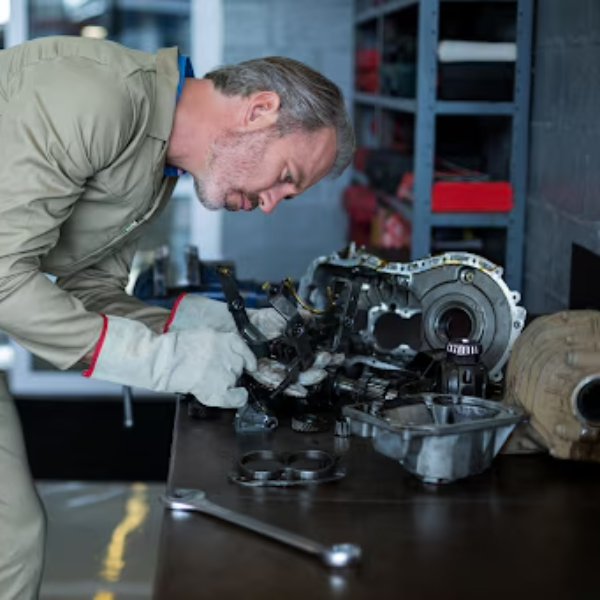
When internal clutch components need direct inspection, transmission removal may be necessary. This is why accurate preliminary diagnosis is important before substantial dismantling is authorised.
What Components May Need Attention
A typical manual transmission clutch system may include a clutch disc, pressure plate, release bearing, flywheel, hydraulic components, and operating mechanism.
Not every component necessarily needs replacement in every case. However, because accessing internal clutch components can involve significant labour, technicians may recommend replacing related worn parts when justified by their condition.
The flywheel should also be assessed where applicable because surface condition can influence clutch engagement.
How Long Does Clutch Repair Take
Repair time varies by vehicle layout, parts availability, fault complexity, and whether additional components require attention.
Unlike a routine inspection, clutch replacement usually involves substantial mechanical work because the transmission must often be separated from the engine.
Customers should obtain a diagnosis and vehicle-specific time estimate rather than relying on a generic turnaround period.
Driving After Clutch Repair
Once correctly repaired and tested, the vehicle can generally return to normal use. Drivers should follow any specific workshop recommendations for newly installed components.
Smooth clutch engagement is preferable during the initial driving period. Avoid unnecessarily holding the vehicle on inclines using partial clutch engagement because this creates heat and wear.
At traffic signals, driving habits that continuously keep the clutch partially engaged can also shorten component life.
Benefits of Timely Repair
Addressing clutch symptoms early can restore smoother power transfer and improve driving confidence.
Diagnosis may also identify a smaller hydraulic or operating-system problem before unnecessary clutch replacement is considered.
For commuters, restoring reliable clutch operation reduces the likelihood of becoming stranded when a deteriorating clutch eventually stops transmitting power effectively.
Risks of Delaying Repair
A severely slipping clutch can generate excessive heat. Continued driving may increase wear and potentially affect related components.
Difficulty selecting gears should also be investigated because forcing gear engagement can create additional problems.
Frequently Asked Questions
Does a high clutch pedal always mean replacement is required?
Not necessarily. Vehicle design, adjustment, hydraulic condition, and actual clutch wear should be considered.
Why does the engine rev without the car accelerating properly?
Clutch slip is one possible cause, particularly under acceleration or load, but diagnosis is required.
Can driving style affect clutch life?
Yes. Frequent half-clutch use, unnecessary slipping, heavy loads, and poor hill-start technique can accelerate wear.
Should I keep driving when there is a burning clutch smell?
Persistent burning smell combined with slipping or poor engagement should be inspected promptly.
For drivers around Tathawade, Auto Solutions can evaluate clutch symptoms, identify the components involved, and determine the appropriate repair scope before major mechanical work is undertaken.
Keywords