A check-engine light, rough idle or weak pickup does not prove that carbon is the cause. You need a scan, component-level inspection and a clearly defined cleaning method before approving any work. By the end, you will know what to ask for, which tests matter and what a proper handover should include.
Key takeaways
- Record symptoms, engine temperature, fuel type and driving conditions before scanning.
- Match cleaning to the affected component instead of approving a generic treatment.
- Separate carbon deposits from failed injectors, sensors, valves and mechanical faults.
- Approve a written service scope and compare scan results at handover.
Start with the complaint, vehicle details and diagnostic scan
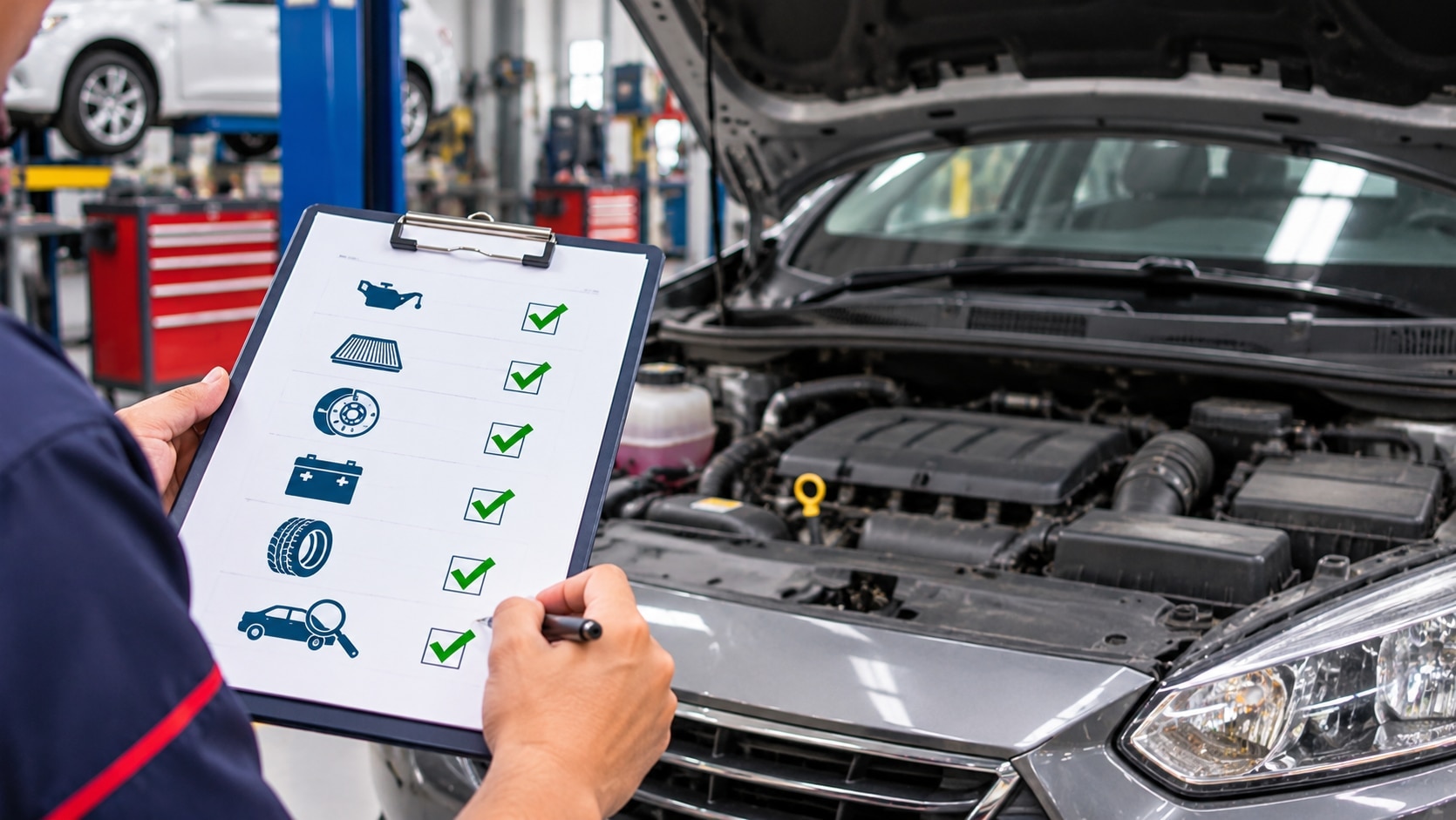
Start with the complaint, not a cleaning chemical. Record what happens, when it happens, engine temperature, fuel type, dashboard warnings, recent repairs and the driving conditions that trigger the symptom. This scan-first approach is what engine decarbonisation follow this structure in Baner should mean.
- Capture vehicle details: VIN, registration year, engine type, fuel system, transmission and current odometer reading.
- Record the symptom: hard starting, rough idle, hesitation, smoke, poor fuel economy, reduced power or a warning lamp.
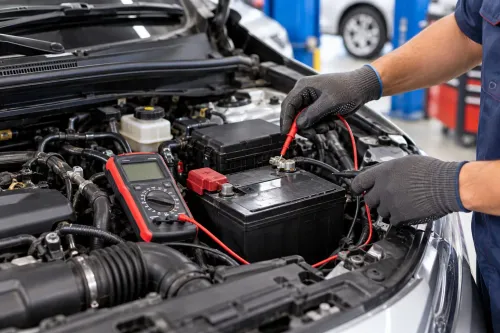
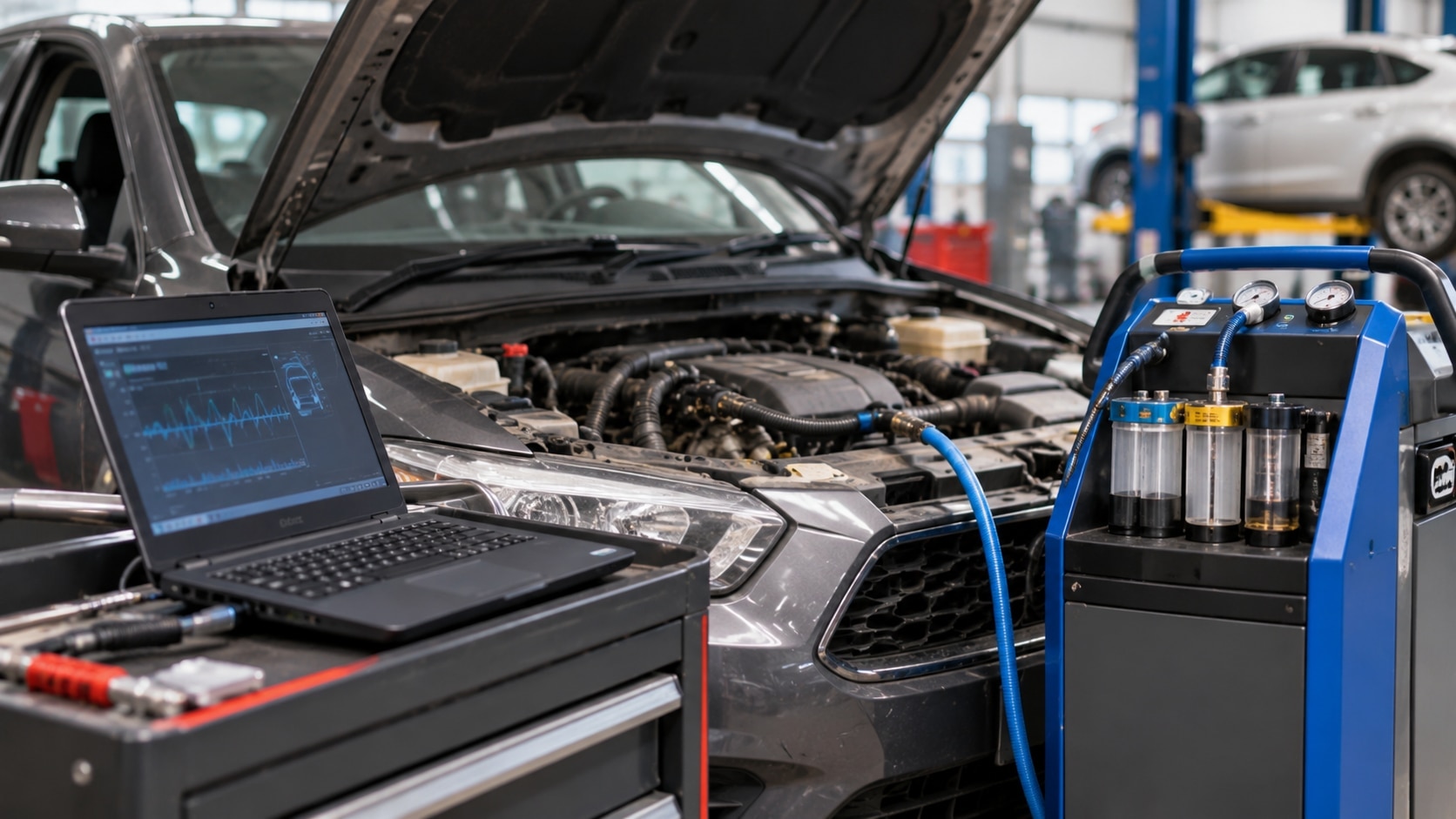
- Perform a diagnostic scan: read stored, pending and history diagnostic trouble codes, then inspect freeze-frame data showing engine speed, coolant temperature, load and vehicle speed when a fault was recorded.
- Check relevant live data: misfire counts, short- and long-term fuel trims, commanded versus actual boost, EGR position and diesel particulate-filter soot or differential-pressure values where the vehicle supports them.
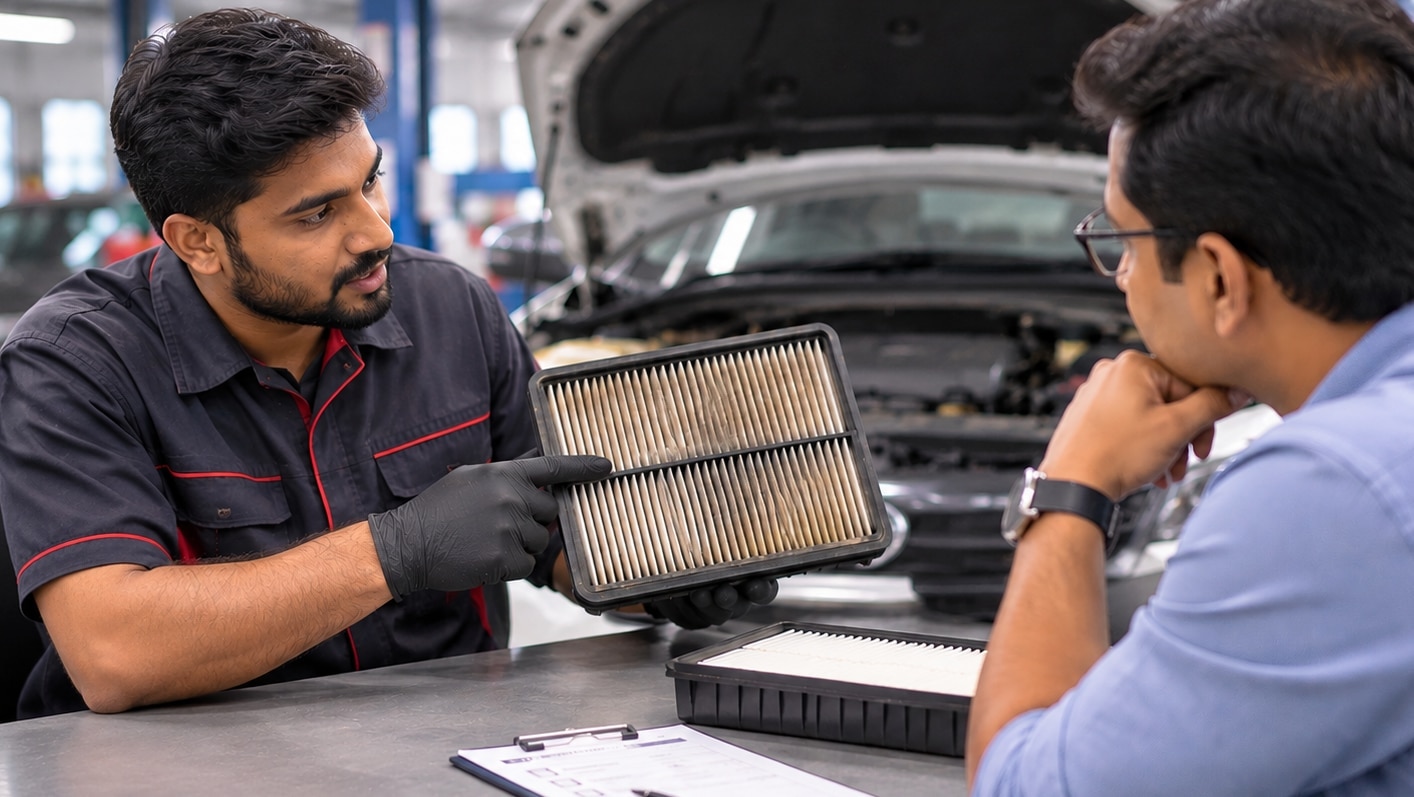
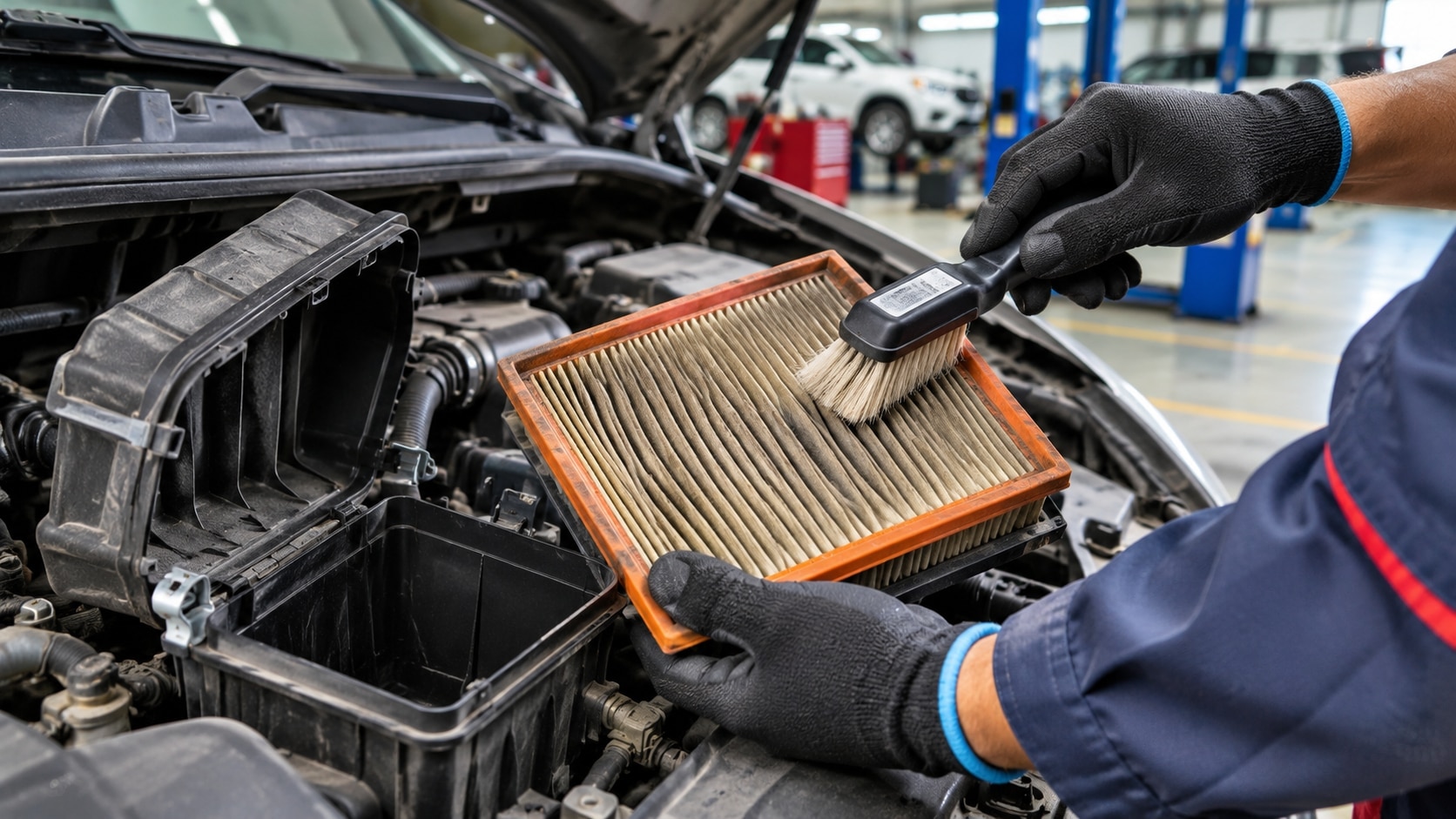
A technician should also inspect intake and vacuum hoses, oil level, coolant condition, air-filter restriction and visible carbon around accessible components. Do not approve decarbonisation because the vehicle has crossed an arbitrary kilometre interval; measured symptoms and test results should justify it.
The scan may identify a failed sensor, injector, turbocharger actuator or EGR circuit that cleaning cannot repair, so the proposed service must follow diagnosis rather than replace it.
What engine decarbonisation includes depends on the affected component
The answer to what engine decarbonisation includes is the component carrying the deposit, not a universal “full cleaning” package. A throttle body, intake valve, injector and DPF need different inspections and treatment.
| Component | Suitable inspection or cleaning | Limit or warning |
|---|---|---|
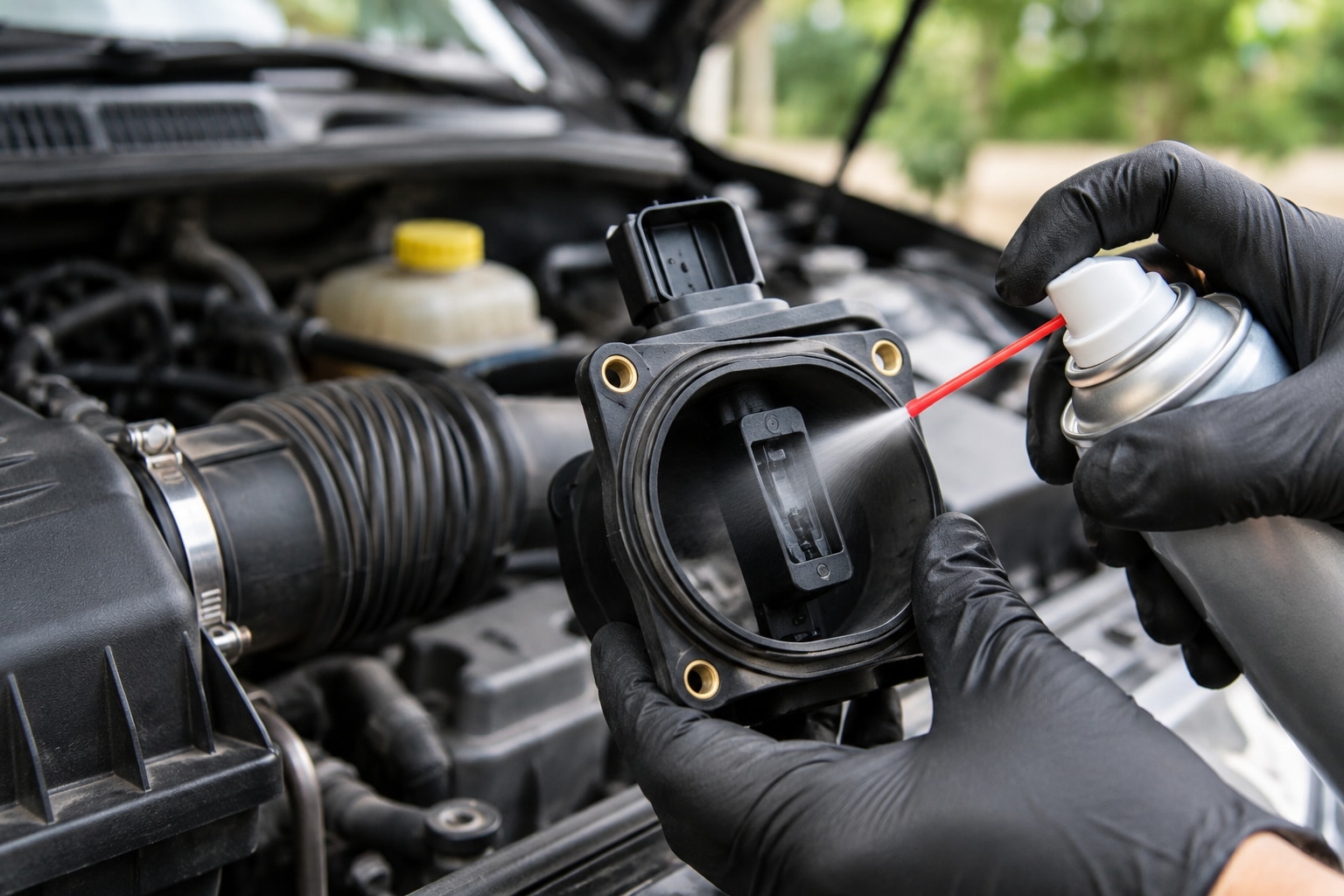
| Throttle body, intake manifold and EGR valve | Visual inspection after removing ducting; approved chemical cleaner or manual cleaning after removal | An intake spray may not remove heavy, hardened deposits inside the manifold or EGR valve |
| Direct-injection intake valves | Remove the intake manifold, close the target valves, mask the ports, vacuum the area and use walnut-shell or approved media blasting | Keep media out of the cylinder, oil passages and sensors; inspect before and after |
| Piston crown and combustion chamber | Borescope inspection; manufacturer-approved chemical treatment or induction treatment | Hydrogen or chemical treatment cannot repair worn rings, valves or damaged pistons |
| Fuel injectors | Review correction values and misfire data; use an off-vehicle flow or ultrasonic bench service when required | Intake cleaning does not clean injector nozzles |
| Turbocharger air path | Inspect hoses, intercooler and boost passages for oil, soot and restrictions; clean accessible components | Cleaning cannot fix a seized wastegate, worn bearings or a boost leak |
| Diesel particulate filter | Measure soot and ash loading; perform regeneration for soot, or specified off-vehicle cleaning for ash | A DPF is exhaust after-treatment, not ordinary engine decarbonisation |
A quotation should name each component, method, removal work, replacement gasket or seal, and post-service test. Do not accept “decarbonised engine” as the only description.
Follow the engine carbon cleaning steps in technician order
The engine carbon cleaning steps begin with a cold-start and safety check, not a chemical or gas treatment. Confirm the engine temperature, battery voltage, fluid levels and existing fault codes before removing any parts.
- Record the complaint and operating conditions, then perform a pre-service scan.
- Check live data for airflow, fuel trims, boost pressure, EGR operation, misfires and emissions faults.
- Identify the affected component and document deposits with an intake inspection or borescope where access permits.
- Remove only the required intake ducting, throttle body, EGR valve or manifold, protecting open ports from debris.
- Clean the specified parts using the approved method: manual removal, chemical treatment, walnut blasting, fuel-system service or induction cleaning. Do not claim a hydrogen treatment cleaned components it could not reach.
- Vacuum or wipe away loosened residue, and confirm that no media, solvent or debris remains in the intake.
- Refit components with new gaskets or seals where required. Check hose routing, electrical connectors, clamps and torque settings, then inspect oil and coolant for contamination.
- Start the engine, check for air or coolant leaks, verify stable idle and complete any manufacturer-required throttle or adaptation relearn.
- Clear only resolved faults, run a post-scan for current and pending codes, and road-test under the conditions that caused the complaint.
The handover record should name the parts cleaned, method used, replaced seals or fluids, scan results and road-test outcome. A clean engine that still shows the original fault needs diagnosis, not repeated cleaning.
Separate carbon deposits from faults that cleaning cannot repair
A cleaning is justified only when the symptom, scan data and deposit evidence point to the same component. A stored P0302 misfire code, for example, does not prove carbon on an intake valve; it could come from a spark plug, ignition coil, injector, compression loss or a vacuum leak.
Ask the technician to compare:
- Misfire counts, fuel trims and freeze-frame data before cleaning
- Commanded versus actual EGR position, throttle angle or boost pressure
- Intake-valve, throttle-body or EGR photographs showing restricted airflow or visible deposits
- A repeat scan and road test showing that the original symptom has changed after cleaning
The engine decarbon service process in Baner should identify the deposit location before any chemical, induction treatment or media blasting begins. A direct-injection engine with uneven intake-valve deposits needs a different inspection from a diesel with excessive soot load in its diesel particulate filter.
Cleaning cannot repair a failed sensor, split intake hose, weak fuel pump, worn turbocharger, low compression or a damaged injector. It also cannot replace a DPF regeneration or fix an engine that burns oil; fresh deposits will return until that cause is corrected.
If fault codes remain, fuel trims stay abnormal, boost does not track the command, or misfires follow one cylinder after service, request further diagnosis rather than approving repeated cleaning.
Approve a defined service and verify the result at handover
Before you approve, the quotation must name the engine, affected components, cleaning method, exclusions and verification plan—not simply say “full carbon cleaning.” The engine decarbon service process in Baner should distinguish diagnosis and treatment from an oil service, injector cleaning or DPF regeneration.
1. Confirm the vehicle registration, VIN, engine type, complaint, stored and pending DTCs, and the evidence linking deposits to the symptom.
2. Specify the work: throttle-body, EGR, intake-manifold, intake-valve, injector, combustion-chamber, turbo air-path or after-treatment cleaning. State whether the method is chemical, induction, manual removal or walnut blasting, and whether the intake manifold must be removed.
3. Record what is excluded, such as a failed sensor, vacuum leak, injector replacement, turbo repair or DPF fault. List replacement gaskets, seals, oil, coolant or other fluids, along with the approved additional-work process.
4. Require a post-service report showing before-and-after photographs or inspection findings, removed parts, residue removal, intake leak checks, oil and coolant checks, current and pending DTC results, and relevant live-data readings.
5. Require a road test under the original complaint conditions, plus throttle or other adaptations only where the manufacturer procedure demands them. Ask whether any fault remains before accepting the vehicle.
Whether you use Auto Solutions or another workshop, keep the quotation and report together; they are your evidence of what was approved and what changed.
Related products
 | Engine Decarbon Service Auto Solutions provides professional engine decarbon service to remove harmful carbon deposits from critical engine components. View product → |
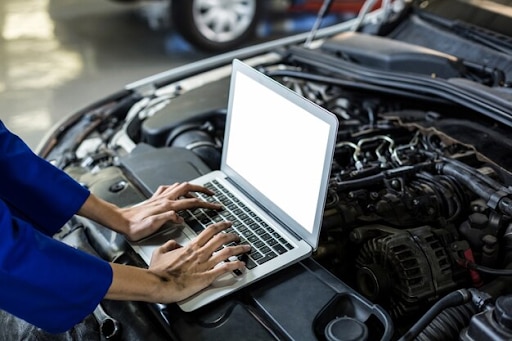 | Engine Check Light Diagnosis Auto Solutions offers advanced Engine Check Light diagnosis using computerized scanning to pinpoint faults accurately. View product → |
Frequently asked questions
What should you record before an engine decarbonisation scan?
Record the complaint, when it occurs, engine temperature, fuel type, dashboard warnings, recent repairs and the driving conditions that trigger it.
What does engine decarbonisation include?
It depends on the affected component. The service may involve inspection and cleaning of the intake system, throttle body, EGR system, injectors, valves or combustion chamber, but the technician must identify the deposit before choosing a method.
What are the engine carbon cleaning steps?
The technician records symptoms, performs a diagnostic scan, inspects the affected system, confirms deposits, explains the cleaning method, completes the defined service and verifies the result with a post-service scan and road test.
Can engine carbon cleaning repair every performance problem?
No. Cleaning cannot repair failed injectors, defective sensors, damaged turbochargers, worn piston rings, low compression, wiring faults or mechanical damage. Diagnose these faults separately.
What should you verify at handover after decarbonisation?
Ask for the completed work, replaced parts, scan findings, fault-code status, operating checks and any follow-up recommendation. Confirm that the original symptom was tested under the same conditions.
Related product
 | Fuel Injector Cleaning Auto Solutions provides professional fuel injector cleaning to enhance your vehicle’s performance and fuel efficiency. View product → |
Keywords