A car that struggles to accelerate or select gears does not automatically need a new clutch. By comparing engine-speed changes, gear-selection behaviour, clutch-pedal movement and driving conditions, you can identify whether the fault points to clutch slip, clutch drag, another drivetrain problem or an electronic control issue.
Key takeaways
- Rising engine speed without matching acceleration points to clutch slip.
- Test clutch symptoms on a quiet road, never in traffic or on steep slopes.
- Judder, a high bite point, or pedal changes need an inspection.
- Compare clutch repair findings with engine, gearbox, and brake-related faults.
Does poor pickup point to the clutch or another vehicle fault?
Poor car pickup does not prove clutch failure. One of the clearest clutch slipping symptoms is that engine speed rises but car does not accelerate in proportion, especially during hard acceleration in a higher gear or uphill.
A clutch can feel normal in light traffic yet slip under high torque from towing, hill starts, engine remapping or performance modifications.
Compare these clues before approving a clutch replacement:
- Engine misfire: the engine hesitates, shakes or loses power while the revs do not flare cleanly.
- Low turbo boost: acceleration is weak, often with a hissing sound, fault warning or reduced boost shown in scan data.
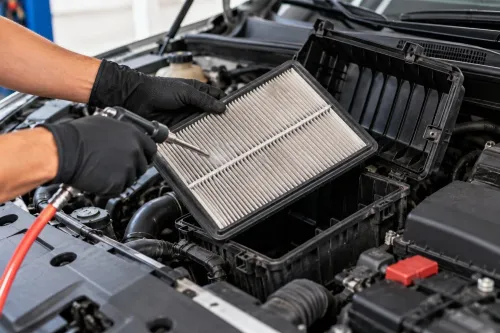
- Restricted fuel or air supply: a blocked air filter, fuel filter or intake path limits power across the rev range.
- Transmission fault: delayed engagement, harsh shifts or one affected gear points toward transmission fault diagnosis rather than friction-plate wear.
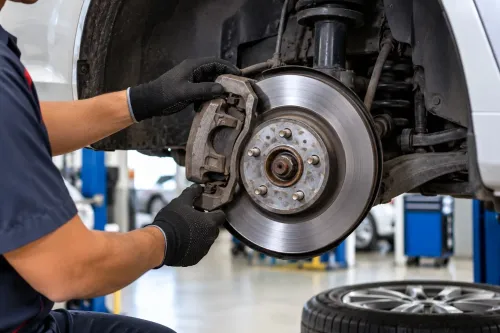
- Dragging brakes: the car feels held back, a wheel becomes unusually hot, or braking resistance remains after releasing the pedal.
- Tyre problems: low pressure, severe uneven wear or incorrect tyre size increases rolling resistance and reduces pickup.
- Electronic powertrain faults: throttle, sensor, torque-management or control-module errors can limit acceleration without clutch slip.
Automated manual and dual-clutch transmissions need actuator tests, clutch-adaptation and calibration checks, and scan-data review. Do not diagnose them like a conventional manual clutch from a hard-shift complaint alone.
How can you check for clutch slip or clutch drag safely?
A clutch slip test is safest on a level, quiet road with no pedestrians, parked vehicles or junction hazards. Select a high gear at a moderate speed, accelerate firmly, and watch the tachometer: if engine revs flare without a proportional increase in road speed, the clutch is slipping.
Do not test in traffic, near pedestrians or on a steep incline.
With the car stationary, compare gear selection with the engine running and switched off. If gears select normally with the engine off but become difficult with the engine running, the clutch is not fully releasing.
- A car difficult to shift gears, creeping with the pedal fully depressed, reverse gear grinding, or difficulty selecting first gear while stationary indicates clutch drag.
- Common causes include hydraulic leaks or air, a seized release mechanism, a warped disc, incorrect clutch parts and a faulty pilot bearing.
- Reverse grinding alone does not prove gearbox damage because reverse is often unsynchronised or less fully synchronised. If only one forward gear grinds while the clutch releases correctly, suspect that gear’s synchronizer more strongly.
| Observation | More consistent with | What to check |
|---|---|---|
| Engine revs rise without matching speed | Clutch slip | Friction disc, pressure plate and oil contamination |
| Creeping with the pedal fully down | Clutch drag | Hydraulic circuit, release mechanism and pilot bearing |
| Grinding in reverse plus difficult first-gear selection | Clutch drag | Release travel and clutch adjustment |
These clutch drag symptoms warrant inspection rather than repeated road testing, which can worsen wear or create a hazard.
What do clutch judder and pedal changes reveal?
Clutch judder is repeated grabbing and releasing as the car moves away, producing a shudder through the body or steering wheel. An engine misfire feels like uneven combustion, a worn engine or gearbox mount causes a knock as torque loads the drivetrain, and uneven brake application usually creates pulsing while braking, not only during take-off.
1. Note when the judder occurs. Contaminated friction material, flywheel hot spots or run-out, hydraulic release faults, and damaged mounts can all cause it. Judder alone does not prove that the clutch disc is warped.
2. Treat a high clutch pedal bite point as a clue, not a verdict. Pedal position varies by vehicle design, so confirm it with slip symptoms rather than condemning the clutch from height alone.
3. Arrange inspection when the bite point is low or travel is excessive, or when the pedal is a soft clutch pedal, stiff clutch pedal, vibrating, suddenly soft, sinking, sticking, or failing to return. Check the master cylinder, slave cylinder, hydraulic line, cable, release fork, guide tube, release bearing, and pressure plate.
A sudden change in pedal height points more strongly to hydraulic or linkage trouble than to ordinary friction-disc wear. Do not keep driving if the pedal sinks or fails to return; clutch release can disappear without warning.
Which driving conditions make clutch symptoms appear or worsen?
A clutch can feel normal on a short, gentle drive yet slip after stop-start traffic, hill driving, towing or repeated clutch riding. Those conditions increase clutch temperature and torque demand, exposing a friction system that is already near its limit.
| Condition | Why symptoms worsen | Practical response |
|---|---|---|
| Stop-start traffic | Repeated engagement leaves the disc slipping instead of fully clamped, creating heat. | Move off cleanly and avoid holding the car on the clutch. |
| Hill starts | Prolonged slipping increases hill-start clutch wear and can produce poor pickup once the surfaces heat up. | Use the brake to hold position on a slope, then release it as you move off. |
| Towing or heavy loads | Extra torque demand can trigger towing clutch problems that do not appear during light commuting. | Select a suitable lower gear uphill instead of labouring in a high gear at low engine speed. |
| Cruising or parking | Resting your foot on the pedal causes clutch riding; slipping during tight parking manoeuvres adds heat. | Keep your foot off the pedal while cruising and avoid slipping the clutch during parking. |
A clutch burning smell after repeated slipping points to overheated friction material, but smell alone cannot identify whether the disc, pressure plate or flywheel needs replacement. Inspection looks for glazing, hot spots, cracks, distortion, oil contamination and lost friction material. These driving habits can expose a marginal clutch without proving they caused every symptom.
What should a clutch inspection and repair decision include?
Before approving a car clutch repair service, request a documented road test rather than a diagnosis based only on poor pickup. The test should record slip under load, drag, judder, cold-versus-hot behaviour, and whether every gear or only one gear is affected.
For electronically controlled clutch systems, request fault codes, live data and actuator or calibration results.
| Road-test finding | Stronger possibility | What to verify |
|---|---|---|
| Slip under load | Clutch friction loss | Engine-speed flare without matching road speed |
| Creeping with pedal down or reverse grinding | Clutch drag | Hydraulic release, linkage and bearing operation |
| Take-off judder | Contamination, hot spots, run-out or mounts | Disc, flywheel and engine or gearbox mounts |
| One forward gear grinding | Worn synchronizer | Correct clutch release and gear oil condition |
Reverse grinding alone does not prove gearbox damage. If clutch release is correct and one forward gear consistently grinds, a worn synchronizer becomes the stronger suspect.
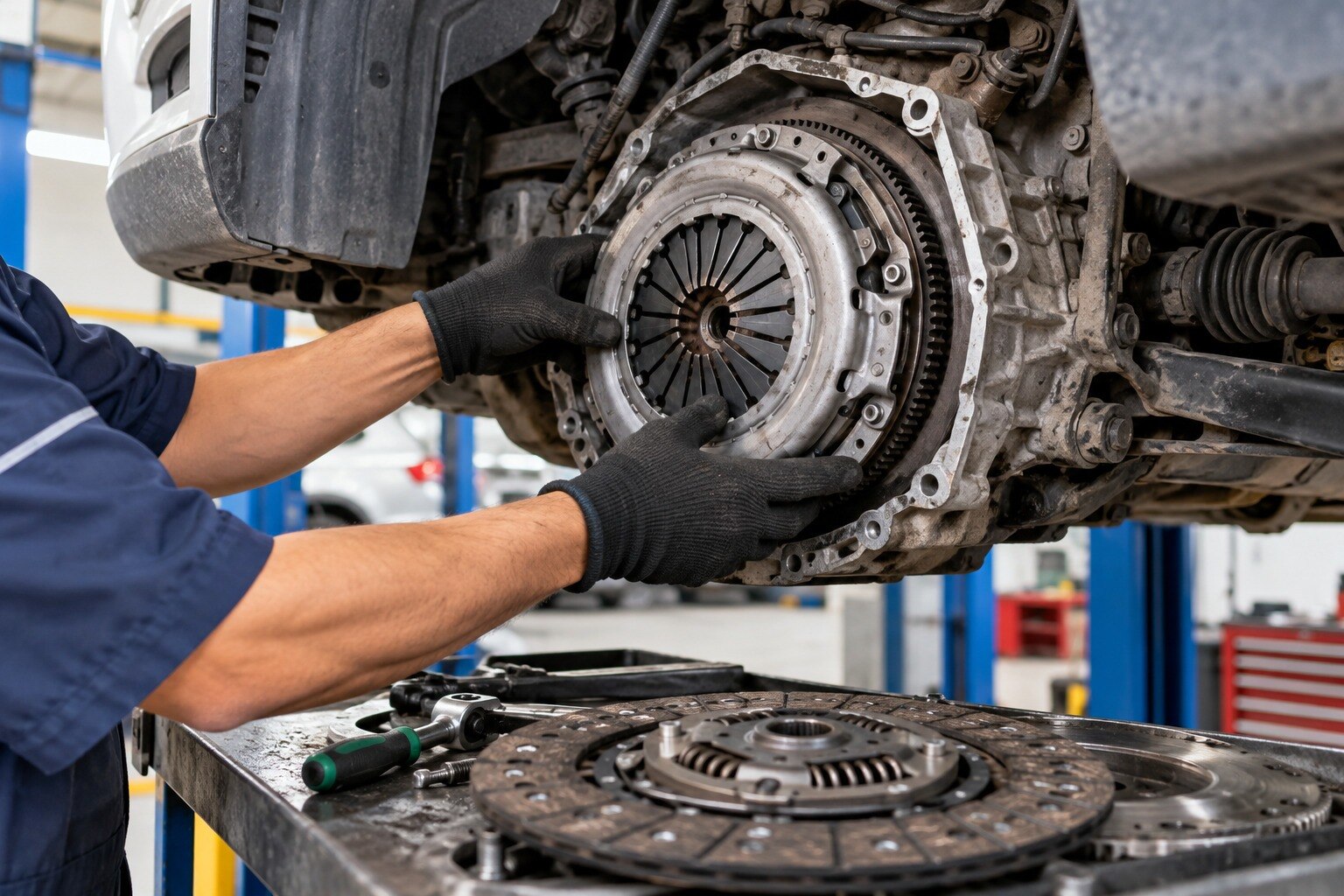
If the gearbox must come out, ask whether these clutch replacement parts will be fitted as a vehicle-specific set:
- Friction disc
- Pressure plate
- Release bearing or concentric slave cylinder, where specified
Also request inspection for seal leaks, oil contamination, hot spots, cracks, distortion and friction loss. Include a dual-mass flywheel inspection for free play, axial movement, noise and heat damage against the manufacturer’s model-specific limits; generic resurfacing can be wrong. Auto Solutions is relevant when engine, transmission, clutch and electronic faults need assessment together.
Frequently asked questions
Does poor pickup point to the clutch or another vehicle fault?
Poor pickup points to clutch slip when engine speed rises without matching acceleration, especially during hard acceleration in a higher gear or uphill. Engine, fuel, air-intake, ignition, transmission, brake, and tyre faults can also reduce acceleration, so inspect the full symptom pattern.
How can you check for clutch slip or clutch drag safely?
For slip, drive on a quiet, level road and accelerate in a higher gear. If the rev counter rises sharply while road speed lags, arrange an inspection. Clutch drag is suggested when the car creeps with the pedal fully depressed or gears resist selection; do not force the gear lever.
What do clutch judder and pedal changes reveal?
Judder during take-off can indicate uneven clutch friction, contamination, a damaged flywheel, or worn engine or gearbox mounts. A high bite point, heavy pedal, sudden pedal change, or difficulty returning can indicate clutch wear or a release-system fault.
Which driving conditions make clutch symptoms appear or worsen?
Symptoms become easier to notice during uphill starts, hard acceleration in a high gear, repeated stop-start traffic, towing, and manoeuvring at low speed. Carrying heavy loads also increases clutch heat and can expose slipping or judder.
What should a clutch inspection and repair decision include?
Ask for a diagnosis that separates clutch slip, clutch drag, judder, and release faults from engine or gearbox problems. The estimate should identify failed parts, inspect the flywheel and release mechanism, explain replacement parts and labour, and state whether related components need replacement.