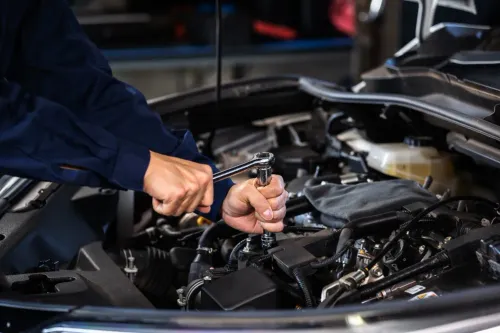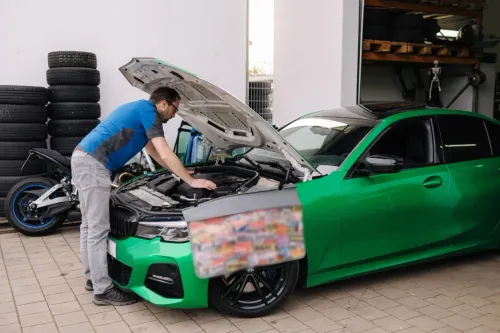



Your car's engine works hard every time you drive, whether you're navigating city traffic or cruising on the highway. Over time, combustion leaves behind carbon deposits inside the engine. These deposits may seem insignificant initially, but as they accumulate, they can reduce engine efficiency, affect fuel economy, and impact overall driving performance.
For car owners in Pimple Nilakh, Pune, where frequent stop-and-go traffic is common, engine carbon buildup can occur faster than many drivers realize. Understanding when engine decarbonisation is needed can help maintain smoother performance and prevent avoidable mechanical issues.
What Is Car Engine Decarbonisation?
Engine decarbonisation is a maintenance process that removes carbon deposits from critical engine components. During normal combustion, tiny particles of carbon settle on valves, pistons, injectors, combustion chambers, and intake systems. Over thousands of kilometres, these deposits become thicker and begin affecting engine operation.
Professional decarbonisation helps restore cleaner combustion by removing these deposits without dismantling the entire engine in many cases.
It is considered preventive maintenance rather than a repair service.
Why Does Carbon Build Up?
Several driving conditions contribute to carbon accumulation.
Some of the most common causes include:
- Frequent short-distance driving
- Heavy city traffic
- Low-quality fuel
- Delayed engine servicing
- Poor combustion efficiency
- Continuous low-speed driving
Modern engines are more fuel-efficient than older models, but they can also be more sensitive to carbon buildup if maintenance schedules are ignored.
Signs Your Car May Need Engine Decarbonisation
Carbon deposits usually develop gradually, making the symptoms easy to overlook.
Watch for these warning signs:
- Reduced acceleration
- Noticeable drop in fuel efficiency
- Rough idling
- Engine hesitation during pickup
- Increased exhaust smoke
- Higher engine vibration
- Reduced engine responsiveness
While these symptoms can have multiple causes, carbon buildup is often one of the contributing factors.
Benefits of Engine Decarbonisation
Removing carbon deposits can improve the engine's overall efficiency.
Drivers often notice benefits such as:
- Smoother engine performance
- Better throttle response
- Improved fuel economy
- Cleaner combustion
- Reduced engine knocking
- Lower exhaust emissions
- More refined driving experience
Although results vary depending on vehicle condition, regular maintenance helps keep the engine operating closer to its original performance.
Is Engine Decarbonisation Necessary for Every Car?
Not every vehicle requires decarbonisation at the same interval. The need depends on driving habits, mileage, fuel quality, and engine type.
Vehicles that spend most of their time in congested city traffic generally accumulate carbon faster than those driven regularly on highways.
If your manufacturer or service advisor recommends the procedure based on inspection findings, it can be a worthwhile preventive service.
How Often Should It Be Done?
There is no universal schedule that applies to every vehicle. Many workshops recommend evaluating the engine after significant mileage or whenever symptoms of carbon buildup begin to appear.
Rather than performing the service unnecessarily, experienced technicians assess the engine's condition before recommending decarbonisation.
Choosing Professional Engine Care
Engine cleaning requires proper equipment and technical knowledge. Improper methods may not remove deposits effectively or could affect sensitive engine components.
Professional workshops diagnose performance issues first to confirm whether carbon buildup is actually responsible before suggesting treatment.
For drivers searching for dependable Car Engine Decarbonisation in Pune, Auto Solutions offers professional engine inspection and cleaning solutions designed to improve performance while supporting long-term engine health. Their technicians evaluate the vehicle carefully before recommending the most suitable maintenance approach, ensuring that customers receive only the services their cars genuinely need.
Preventive engine care helps maintain fuel efficiency, smoother driving, and reliable performance, making engine decarbonisation an important part of long-term vehicle maintenance for many modern cars.