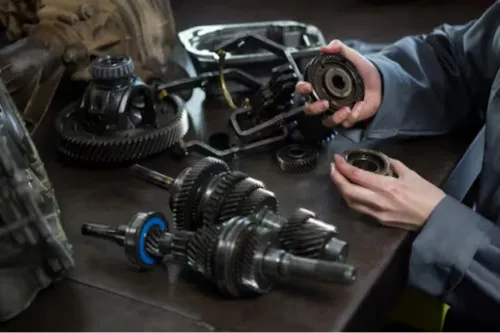



Uneven tyre wear, a steering wheel that does not sit straight, or a vehicle that constantly pulls toward one side can make everyday driving uncomfortable. These symptoms frequently indicate that the wheel angles need attention. A professional Car Wheel Alignment service checks whether the wheels are positioned according to the vehicle manufacturer's recommended specifications.
For car owners in Balewadi, Pune, alignment becomes particularly relevant when a vehicle regularly encounters speed breakers, potholes, uneven roads, frequent turns, or daily urban traffic. Correct alignment can contribute to predictable steering, balanced tyre wear, and a more stable driving experience.
What Happens During Car Wheel Alignment
Wheel alignment is not simply about making the steering wheel appear straight. Technicians assess important wheel geometry measurements such as camber, caster, and toe.
Modern alignment equipment measures these angles and identifies deviations from specified values. Adjustments can then be made where the vehicle design permits.
The process commonly includes:
- Initial tyre condition inspection
- Tyre pressure check
- Steering and suspension observation
- Measurement of wheel alignment angles
- Required alignment adjustments
- Steering position verification
- Final roadworthiness observations
If suspension components are damaged or excessively worn, correcting those components may be necessary before accurate alignment can be completed.
Signs Your Vehicle May Need Alignment
Drivers should consider an alignment inspection when they notice:
- Vehicle pulling toward one side
- Uneven tyre tread wear
- Crooked steering wheel while driving straight
- Steering instability
- Recent suspension repairs
- Strong impact with a pothole
- New tyre installation accompanied by previous uneven wear
Not every steering problem is caused by alignment. Tyre pressure differences, worn suspension components, damaged tyres, or steering issues can produce similar symptoms. Proper inspection helps identify the actual cause.
Benefits of Maintaining Correct Wheel Alignment
One of the most practical benefits is tyre protection. Incorrect alignment can cause one section of a tyre to wear significantly faster than another.
Correct alignment may also improve steering consistency. This matters for commuters navigating Pune's changing traffic conditions, particularly during regular office travel and longer highway journeys.
Another benefit is preventive maintenance. Identifying unusual tyre wear during an alignment inspection may reveal suspension, steering, or tyre-related concerns before they become more significant.
What to Do Before the Service
Drivers do not need extensive preparation. However, it helps to tell the technician about recent pothole impacts, steering changes, tyre replacement, suspension work, or unusual vibrations.
Tyres should also be inspected for damage and appropriate pressure. Severely worn tyres may affect how the vehicle behaves even after alignment adjustments.
What to Check After Alignment
There is generally no recovery or downtime after routine wheel alignment. The vehicle can usually be driven immediately once the service is completed.
During the next drive, observe whether:
- The steering feels stable
- The vehicle tracks straight on an appropriate road
- The steering wheel position has improved
- Previous pulling symptoms have reduced
Persistent problems should be reassessed because another mechanical issue may be involved.
Are There Any Risks
Professional wheel alignment is a routine maintenance procedure with minimal service-related risk. The greater concern is ignoring incorrect alignment, which can contribute to premature tyre wear and poor handling.
Frequently Asked Questions
How frequently should wheel alignment be checked?
There is no single interval suitable for every vehicle. Driving conditions, manufacturer recommendations, tyre wear, pothole impacts, and suspension work should guide inspection timing.
Should alignment be done after replacing tyres?
An alignment check is sensible when previous tyres showed uneven wear or steering symptoms were already present.
Can wheel alignment fix vibration?
Not always. Wheel imbalance, tyre damage, suspension issues, and other mechanical problems can also cause vibration.
For drivers seeking structured vehicle maintenance in Balewadi, Auto Solutions can assess wheel alignment together with tyre, steering, and suspension conditions so that the underlying cause of abnormal handling is properly understood.